
Since getting laid off, I’ve had the experience of spending more time than I normally would (any) looking at LinkedIn. It has been an interesting experience, because I exist in the middle of two separate bubbles in that space: information technology and business process management on one side, and game development on the other.
In the IT/BPM space, all public statements are universally enthusiastic about AI. On the flip side, the gaming space consists of folks like Chet Faliszek looking to start fistfights with every single person who declares that AI is the future and now.
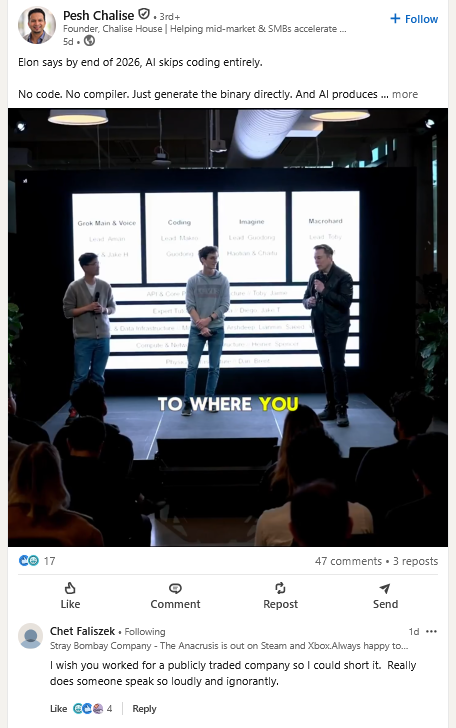
I won’t lie, this second bit brings me great joy. Currently, my BlueSky feed consists of almost entirely of people looking to feed Ryan Dancey’s career into a wood chipper after he suggested you could just replace game designers with LLMs.
Again, great joy.
Still, the thing I want to talk about is the first group. The BPM/IT space, and the various posts about how “the future is now, and it is AI.”
Now, while I’ve said that everyone is posting that AI is the future, you might notice that I never said that everyone is saying or everyone believes that AI is the future. That’s because they don’t. I know at least a fair number of the folks posting about the joys of AI on LinkedIn either don’t care, think it’s bad, or actively loathe it, but because of current market conditions and messaging, they feel they have no choice.
The problem is that LinkedIn is almost entirely a platform for social signaling, not for actual communication. There are exceptions to this, like Chet. If you have adequate social or monetary capital, you actually can treat it like you would the YouTube comment section, or alternately, post your real opinions.
But I didn’t write any of Portal, so if I go onto the L’OREAL page, and say that their partnership with NVIDIA for some AI powered makeup is the stupidest thing I’ve ever seen, I’ll never get a callback.
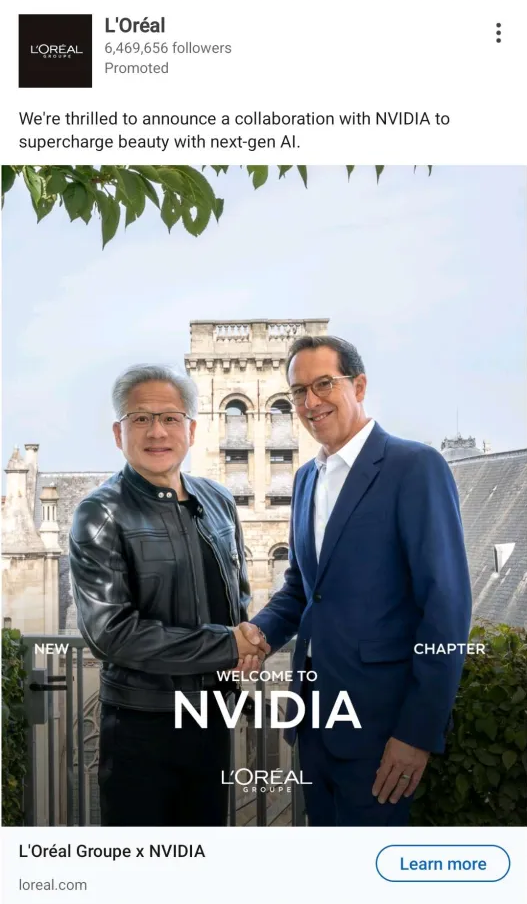
The incentives aren’t to have open or interesting discussions about business, challenges, or exciting new developments. The incentives are to go along with whatever everyone in upper management currently believes. Even when doing otherwise might be better for everyone.
Anyway, it’s kind of unfortunate that LinkedIn requires all of us to engage in a large scale version of the emperor’s new clothes.