The current March of Giants beta ends today at midnight, so if anything in this article seems cool, download it literally right now, because there isn’t another playtest till 2027.
I love MOBAs just as much as I love CCGs, and while the two types of games are quite different (real time vs turn based, digital vs analog, team vs single player) one thing they do tend to have in common is their iron grip over their player-base as lifestyle games. The grip often extends to their players wallets.
It’s not really surprising to me then that Ubisoft would try to make a MOBA. It’s surprising to me that they’re trying to do it in 2026.
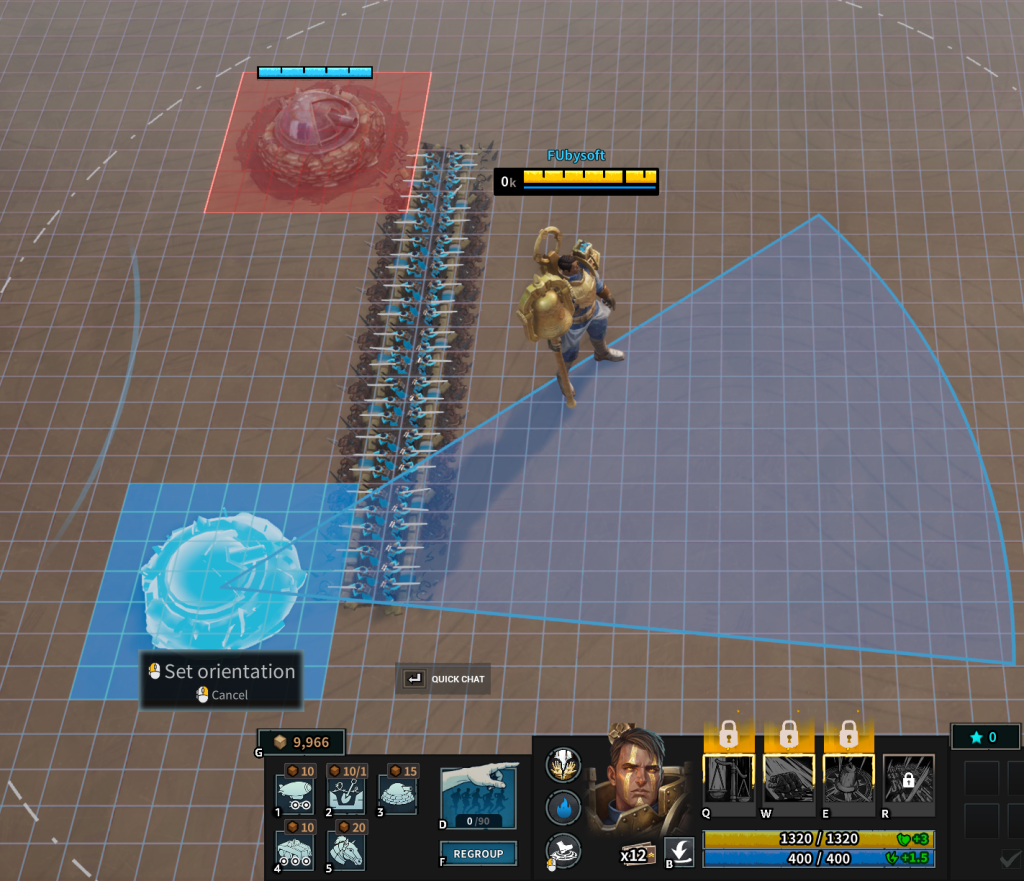
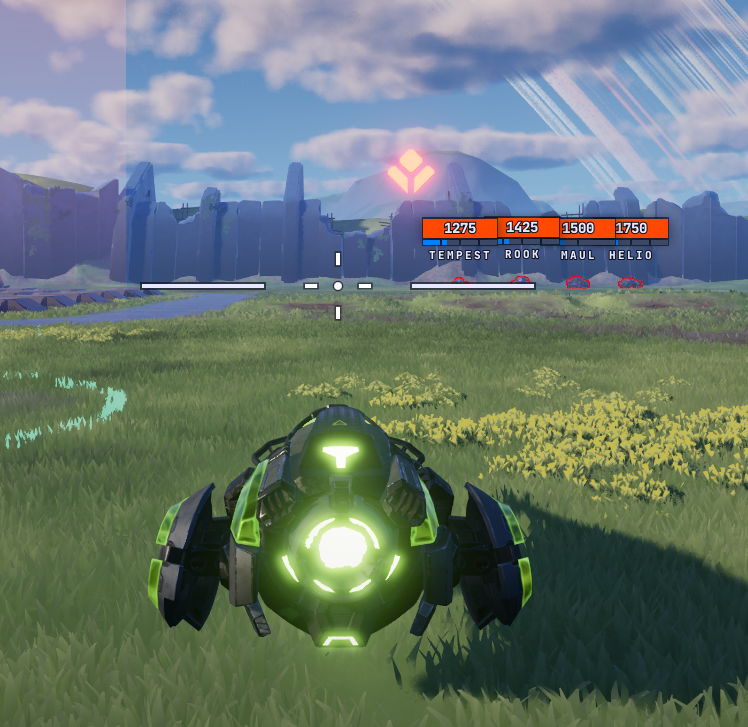
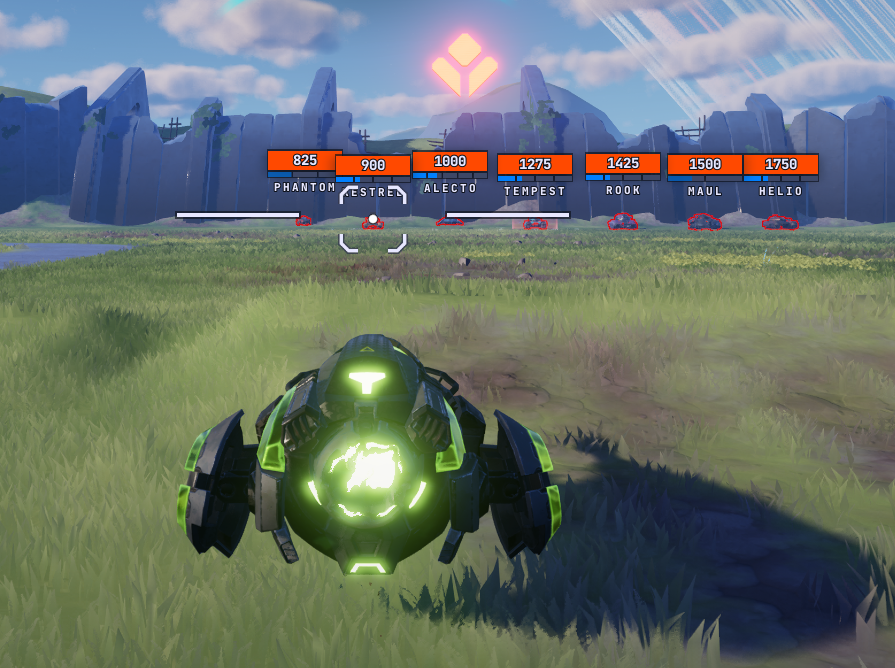
March of Giants is a 4v4 MOBA, in the vein of Dota 2 and League of Legends (More LoL then dota, but more on that later), with a few twists on the on that standard MOBA formula. Winning requires knocking out two of your opponents three bastions, you can build RTS style base defenses, and leveling up doesn’t grant skill points.
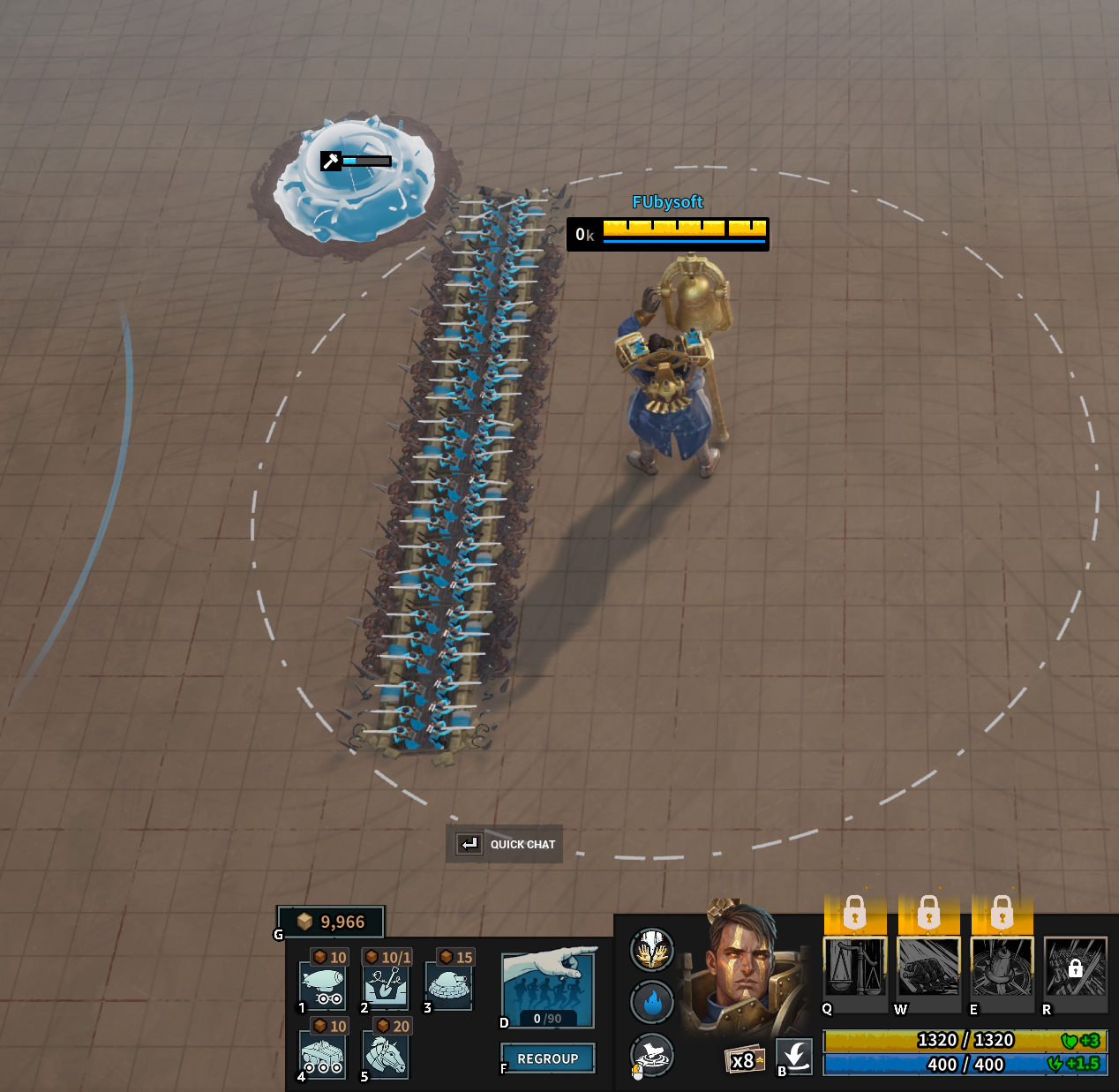
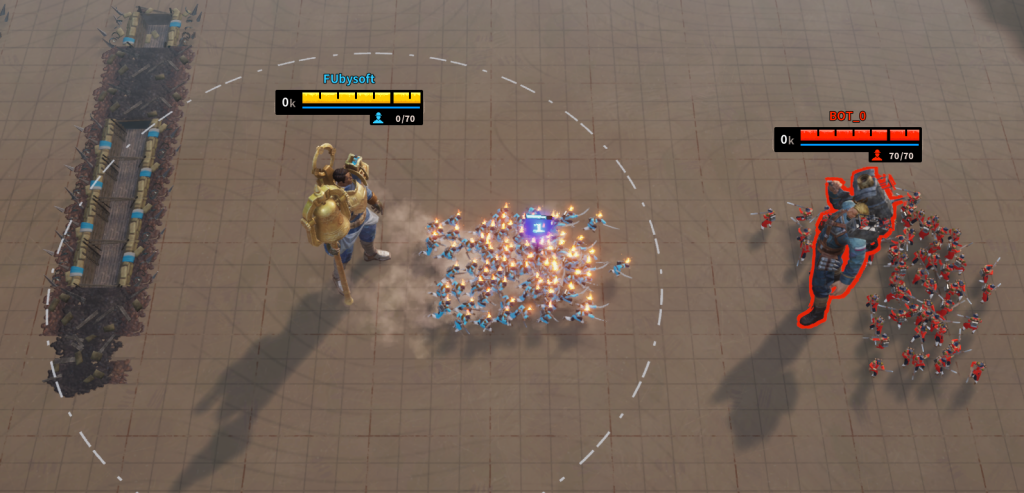
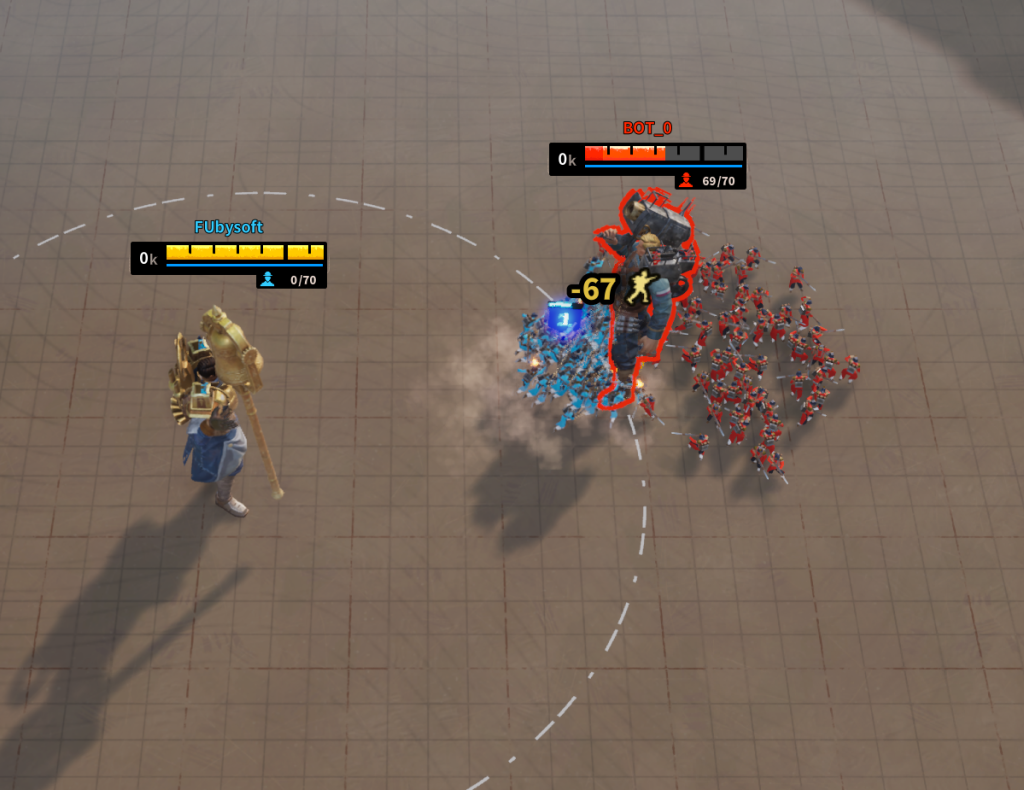
But the really cool thing about March of Giants is it’s Rally system. The smallest creeps in the game, “rifle core” will cluster around and follow giants up to their rally value. They can be directed to charge enemy giants, objectives, and resources, or sent out in small scouting parties for vision.
If they hit an enemy giant, they’ll scale that giant Gullivers travels style, and inflict a chunk of damage that slowly ticks down. (Basically, if you send 50 soldiers, and they inflict 300 total damage, it will be applied as a tickdown until all damage is applied, but even if the enemy has less then 250 health, they won’t instantly die.)
Charges can also be redirected to wrap around pillboxes, or catch someone off guard.
It’s a fantastically weird and fun system, almost like a MOBA expression of games like Pikmin. Rifle core units also aren’t worth resources, so losing/misusing them is punished more in terms of opportunity cost then anything else.
I don’t have too many other thoughts on the giants themselves/balance/etc. I’m very bad at the game by my standard, and I’ll also note that March of Giants is using what I’d consider to be a League of Legends blueprint as opposed to Dota 2, which I’m far more familiar with. This can be seen in low mana costs/cooldowns, an AP/AD split as opposed stats, and a heavy focus on micro.
These aren’t intrinsically bad things, but the thousands of hours I have in Dota 2 don’t translate into an understanding/evaluation of them as effectively as I suspect they might for League players.
That said, I am concerned about the shelf life of this game. I think these systems are cool, but I don’t see myself replacing Dota with it, and it’s a shame, because some of these mechanics are really cool, and I’d love to see what skilled players can do with them. I do think I’ll play for a fair amount when it does release, if only to get as much time as in before it does close down.
Despite games being my primary hobby, every now and then I’ll find myself tumbling into a subgenre of design thats been around for two decades, and that I’ve never touched. Tank games are one of those. Despite decades of banner ads, I’d never actually tried World of Tanks/Planes/etc, as no one had actually recommended them to me.
For various reasons, Tyr appealed more to me than other entries in genre, and so I actually did end up clicking on an ad for the game. And I’m glad I did, this shits great. Along with some friends, we’ve all ended up playing 50+ hours of this over the last few weeks.
Gameplay and Mechanics
Tyr a 8v8 tank shooter played in 10 minute rounds. Players are spawned on two opposing sides of a semi-symmetrical map, and a team wins by either eliminating every tank on the opposing side, or reaching and holding a capture point. There are also various tiebreakers if time expires, but I’ve never actually seen these come into play, as they mostly exist to force one side to make aggressive moves at all points in the game.
Okay, this is all fairly standard sorts of shooter stuff so far. What makes Tyr great is how the tank combat works. I’m not sure how much of this is genre specific vs game specific so I’m going to go over all of it.
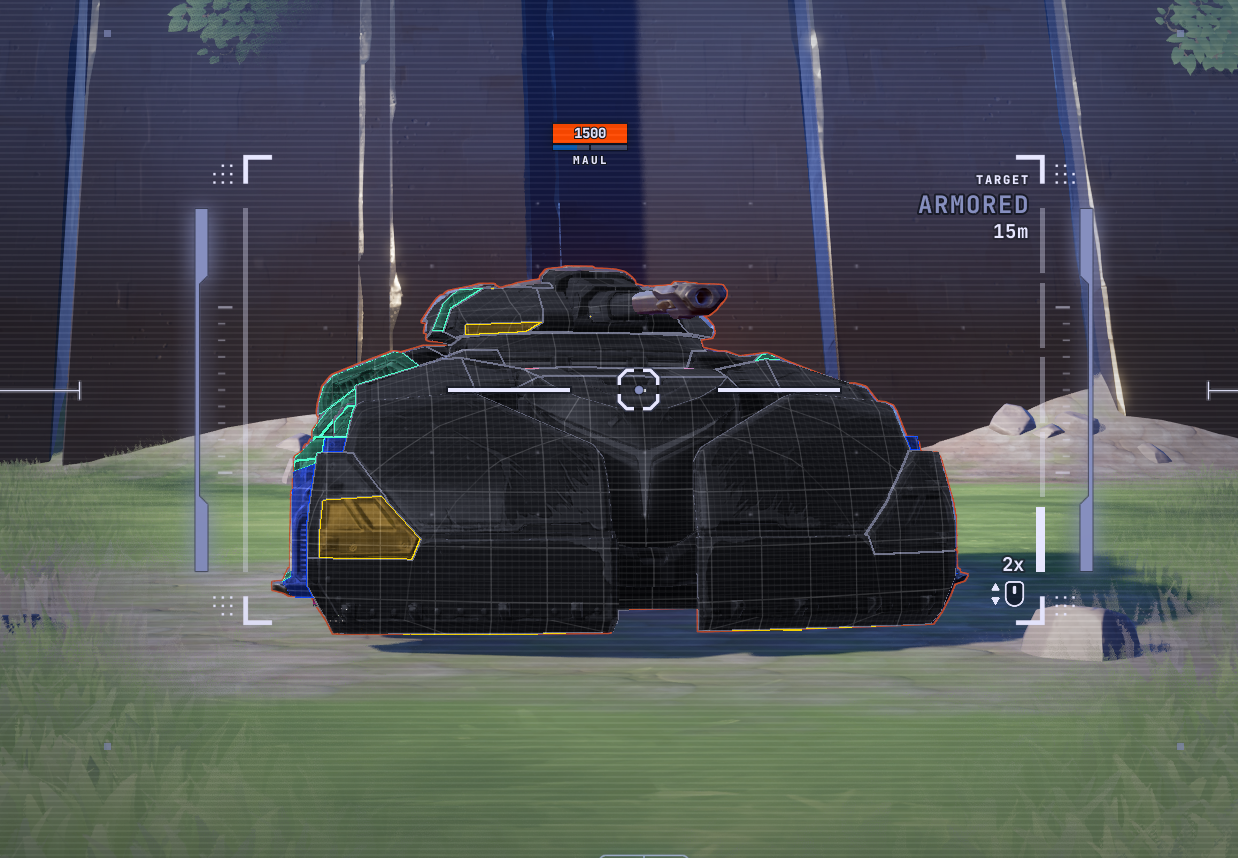
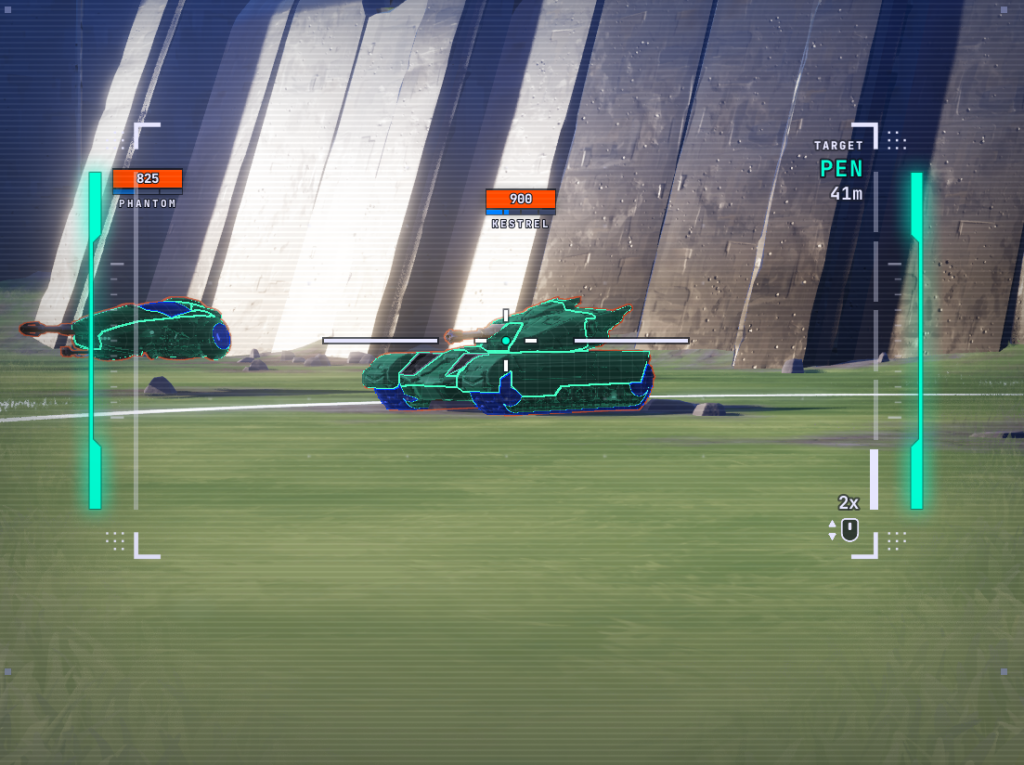
First of all, the shooting. Since everyone is driving a tank, a giant armored vehicle, it is entirely possible to shoot, hit the enemy dead on, and do absolutely no damage, because you shot their armor. Instead, you have to find angles where you can actually inflict damage. Going a step further, it’s also possible to shoot enemies and temporarily take out sub-systems on the tank, like shooting their tracks so they can’t move, or around their gun barrel to stop them from firing.
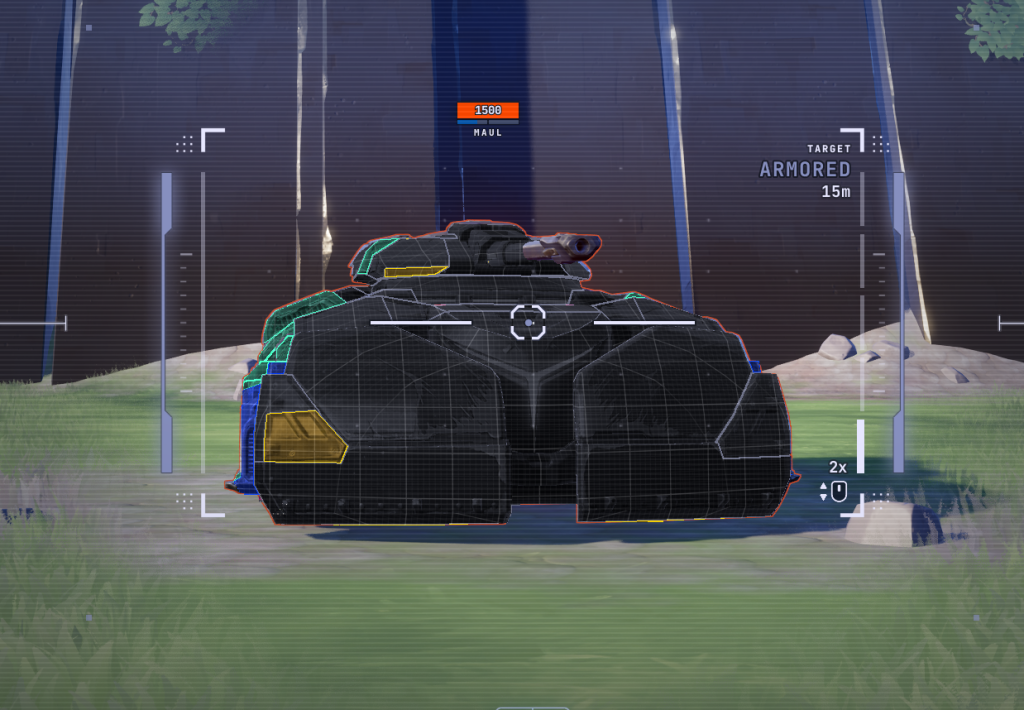
The Mauler. Note that almost everything is black, indicating that those shots won’t do anything. The Kestral with weaker plating is something I can actually shoot.
Additionally, aiming uses a focusing mechanic. Your targeting reticle starts out as a fairly large rectangle, and your shots will end up somewhere in that rectangle. However, waiting will slowly scale down the size of the rectangle, and waiting long enough turns it into a point. Combine this with the fact that reload time can be over 10 seconds, it’s much more important to actually take your time to hit your shot.
Second, fog of war/camouflage. It’s a standard in MOBA’s, but I hadn’t seen it done in an FPS before. The way it works is that you always have vision of the terrain/map, but each tank has a spotting radius, and if an enemy tank is outside of everyone on your teams spotting radius, or hidden in a bush, even if you can see the location they’re in, you can’t see them. This doesn’t mean you can’t shoot them, but it does make it much harder to actually hit them.
From this distance, I can only see the larger tanks. Driving closer reveals the rest of the crew.
Finally, in addition to having a general variety of stats (HP, Armour, hitbox, top speed, etc) all the tanks have some sort of active ability which uses energy to activate. I mostly play Phantom and Mauler, so I’ll use those two as my primary examples.
Phantom is a light tank with high mobility, and almost no armor. It’s a hover tank, so it can aim well from cliffs, and is quite fast, but it can also get one-shot in the wrong situation. It’s active is a temporary cloaking, making it invisible for a short period of time, allowing it to reposition and scout while remaining undetected itself.
Mauler is a heavy tank. It’s slow, heavily armored from the front, and it’s active ability is a ram that does heavy damage, smashing into and knocking back the tanks it hits.
And the abilities are fun! Ikarus can temporarily turn into a little plane(AeroGavin eat your heart out), Arbalest gets to temporarily turn into a super long range sniper, Fortis build walls, Ark plants shrubbery, and Tempest can teleport around a bit.
Why I like it
The end result of all the mechanics is a much, much more deliberate shooter then anything I’ve played recently. Maybe it’s because I’m getting old, or maybe it’s because I’m bad, but as much as I love things like Deadlock, I just can’t seem to really play twitch FPS these days.
It’s also incredibly fun to play in a stack, with folks calling out flanks, or having one person scout ahead to set up for snipers, or just have everyone go Ikarus, and attempt to dive bomb the enemy. (This does not work, do not do it if you want to win.)
The tank abilities are also fun, and feel unique, even if it can be a bit of a learning curve. I’ve found that my friends are much better at finding good opening routes then I am, so I tend to copy their strategies.
Some Small Complaints
Tyr isn’t perfect. My biggest complaint about the game, small party sizes, is actually fixed now, leading to my second biggest complaint: ping only communication. For a game that’s so heavily based on coordination, having to sort of vibe your way throw that isn’t great.
I do also kind of wish there were more gamemodes then just the “1 life and dead” primary mode, but I suppose they probably don’t want to split the playerbase.
Also, I don’t love the leveling system. Some tanks are just much, much worse before you get them fully leveled, and while this doesn’t take a particularly long amount of time, it’s annoying to fully level a tank to discover you don’t really like it’s play pattern.
Overall
Tyr is good, I like playing it, and oddly enough literally everyone else in my friend group also likes playing it. It’s a very different type of shooter then most other FPS’s I’ve played, but I can’t say that I know how to compare it to other entries in the genre, as I’ve never played them.
It’s a very deliberate, patient experience, and I enjoy that about it. There’s a fun tension of carefully waiting, or having to actually think through if taking a shot is worth it, as opposed to just going for a spray and pray.
Tyr’s free to play on Steam, and I unlocked all the tanks after about 40 hours or so. I don’t know if you can spend real money for progress. There are some cosmetics, but they’re pretty limited. If you’ve ever liked FPS games, I recommend giving it a shot.
I went to Boston FIG today! Or yesterday. Not quite sure when I’m going to finish this article, so it’s possible neither of those end up being true.
Anyway, the Boston Festival of Indie Games is a small event focused on surfacing independent and in development board and video games. In my case, it’s a good chance to be exposed to some things I might not ever see!
I don’t really give awards, but I do want to call out my favorite digital and board game from the show, before I talk about some other stuff I liked.
Most of these are in development, so I’ve done my best to link to either the Steam Pages/Websites/Socials of the folks making them. If you see something that seems cool, wishlist/follow/whatever else it is.
Without further ado…
Favorite Board Game – Cobalt
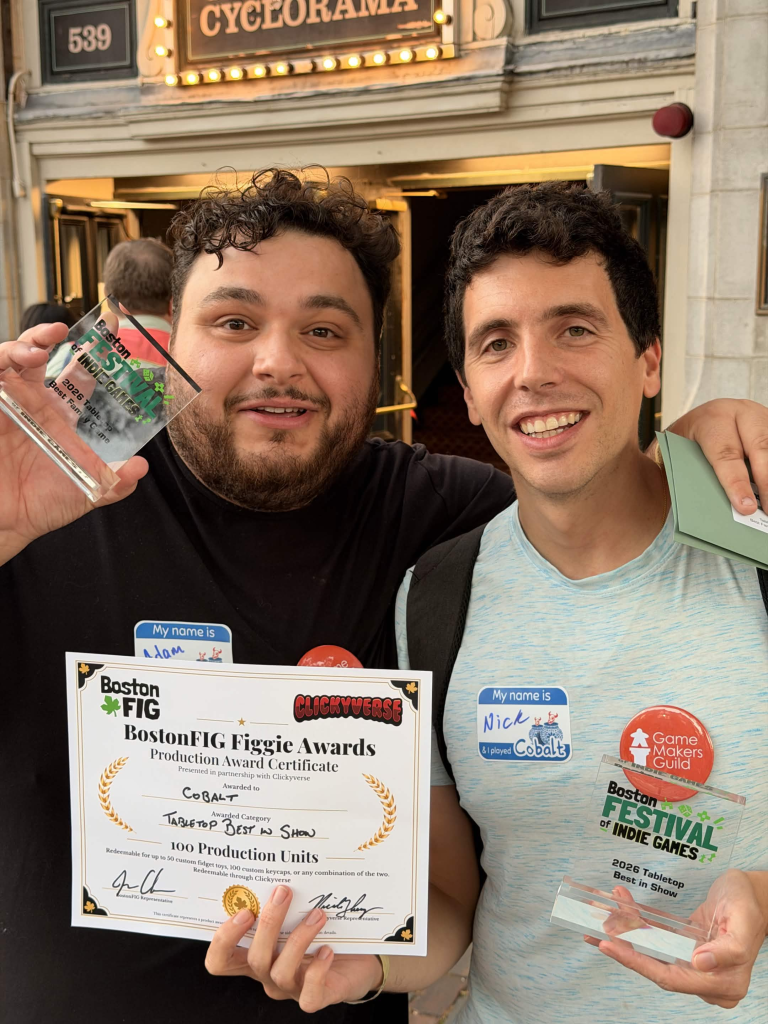
Cobalt is in development co-operative deck builder from MILLRAT Studio. It’s clever on a bunch of levels and is probably the best co-op deck builder I’ve ever played even in it’s fairly early state. One of my favorite things is how it includes cards that actually combo of cards your teammates have played. It’s excellent, and my only real regret is that I didn’t get to play more of it.
If you want to keep up to date on development, or learn more, here’s their instagram, and here’s their Discord server!
Edit: As I was writing this, it turned out Cobalt won both Best in Show and Tabletop Best Family Game! So I’m not the only person who thinks it’s pretty great.
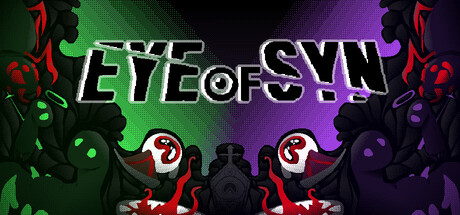
Favorite Video Game – Eye of Syn
Eye of Syn feels like a really clever twist on Plants Vs Zombies. Probably the most obvious twist is that you need to play two full lanes of tower defense at once, toggling between the two to build up your towers, but even in the demos, I saw a lot more questioning of the mechanics of the game then I have in previous PvZ inspired designs.
The games second standout mechanic is that the towers buff and modify each other based on which other towers they’re placed next to. It’s a clever twist on the TD formula, and I’m curious to see the final game.
With that said, lets talk about everything else that left an impression.
Dying Kings
By Runaway Parades, this is a push your luck game that reminds me thematically a bit of Crusader Kings, in that I found myself desperately hoping that my maladjusted monarch didn’t croak from miserable malady. I liked it, but I can also see some of my friends being annoyed at the level of luck currently present. It seems reasonably early in development, but it was quite enjoyable.
Scraptactics
Scraptactics is interesting. It’s a game about doing weird stuff to cards, and with cards. My friend described it as a bit like Flux. There’s one absolutely fantastic mechanic present in the game with the marker cards, allowing you to permanently remove lines of text off cards, changing their effects. There’s also a lot of scuffed, and somewhat unpleasant interactions. Our game devolved into a semi-infinite combo in an attempt to seize control of a single card.
There is a good idea here, but this iteration doesn’t feel like it’s found its focus yet. If you’d like to try it yourself, it’s $7 on itch.io, but it does require scissors, tape and markers.
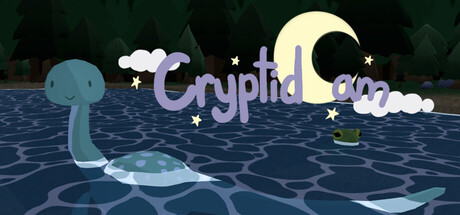
CryptidCam
CryptidCam Pokemon SNAP with free roam and Crytpids! Capture candids of the lochness and flatwoods monster, and throw carrots at a jackalope. I like the idea, and I generally liked the art.
It did feel a bit rough to control, though that could have been the Macbook I played it on.
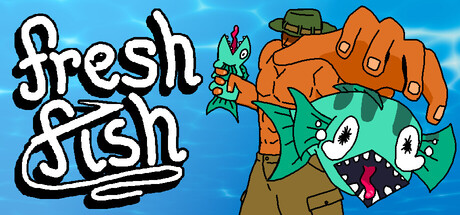
Fresh Fish
Fresh Fish is Neon White by way of fish and a grappling hook. I like the idea here, but I was just not able to get into it as much as I would have liked at the show. I’d like to try it again on my home PC, and see if this was mostly just controls/setup.
Front Page
Front Page is Papers Please meets a Visual Novel about being a newspaper editor. I really liked this, even if the demo was a bit short, and focused more on the visual novel element then the mechanics.
Monsterpiece
A painty puzzle combat game. It’s very clean, it feels well made, but I just didn’t have as much fun with it as some of the other stuff at the show.
Perilous Pairs
You know those memory games where you flip up pairs of cards, and try to find matches? Do that in real time while simultaneously playing a bullet hell, and you’ve got at least the general idea behind Perilous Pairs.
I thought this was quite clever, even if I might not actually play it myself, as I had a pretty rough time of it in my goes on the demo.
I guess I’m doing book reviews for a bit. Look, at least some of these books will be about games, so at least that helps. Not this one though!
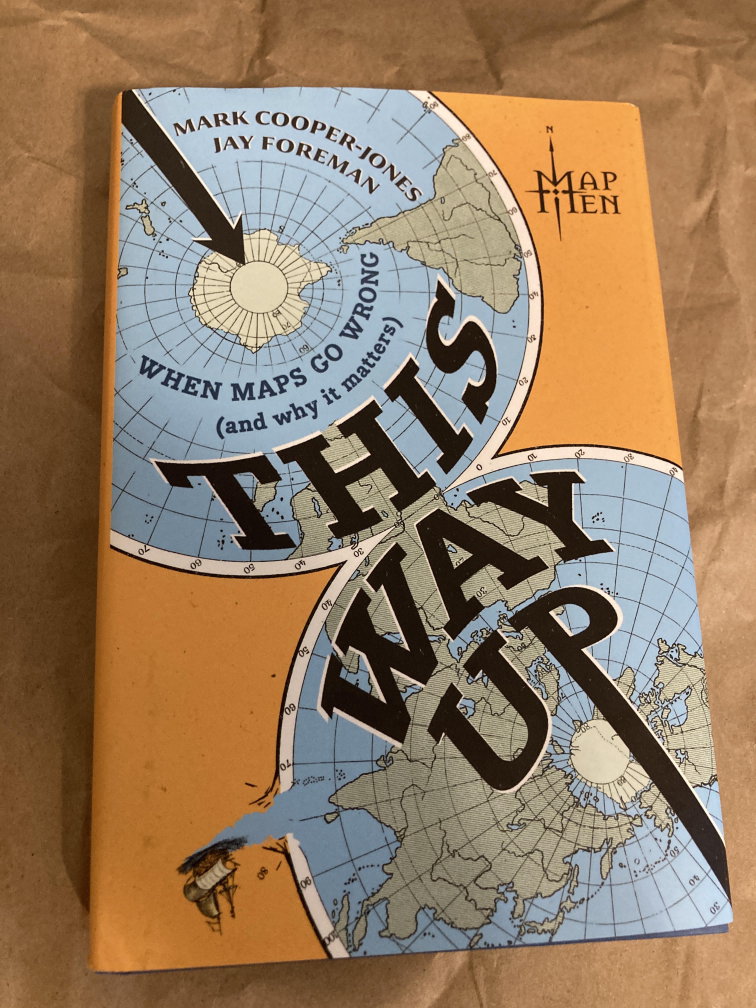
This Way Up: When Maps Go Wrong is a (generally) non-fiction book by Jay Foreman and Mark Cooper-Jones, who are better known for their Map Men series on YouTube. I quite enjoy their videos, so when a friend got their book, I decided to take the opportunity to borrow it, and give it a read.
Are you supposed to include pictures of books in the book review? Does that help anyone?
It’s roughly 15 chapters, each of which are standalone stories, all of which are about maps, or mapping, or the role maps have played in various things. If you’re a fan, consider it to be effectively 15 episodes of Map Men in book form.
As a fan, I have mixed feelings on it.
One problem is that some of the chapters are effectively remixes of some of their existing videos. These chapters mostly retell stories that they’ve covered before, such as their chapter on the history of Russian maps in the cold war, or the one about trap streets. To be fair, they often expand the on the base, but the general “oh neat” moment is one long time viewers will have seen before.
If this was the only problem, I think I’d be mostly satisfied with the book. Unfortunately, the larger problem I have is with the writing style.
Problem: Books are not videos
Based on the credits in their videos, I would consider Mark and Jay to be very solid writers and presenters, and good at delivering on a specific and possibly very British tone. This tone works very well in video content. I think it works very poorly in books. And unfortunately, the pair have not adjusted their style for this book.
Here’s an example: One semi-consistent bit the duo will do is to give a straight-faced accounting of a set of true facts, coupled with either an additional ridiculous fact, or a ridiculous explanation of the true fact. In their video on the North/South divide in England, at 47 seconds in, they note that “Which side you’re on can affect your house price, education, or your life expectancy!” followed by the presenter cheering for the wrong football team, while surrounded by a group of supporters for another team.
This works well in video, where we as the audience can understand that the stated “Fact” is likely true, but not for the reason it’s being presented, IE, the shorter life expectancy is not because you’re going to get the shit beaten out of you. Video has a lot more signals to work with then text.
The problem is, when you convert this style to a non-fiction book, you end up with little mental traps where it’s necessary at all times to ask yourself if what you’ve just read is true, or if they’re taking the piss.
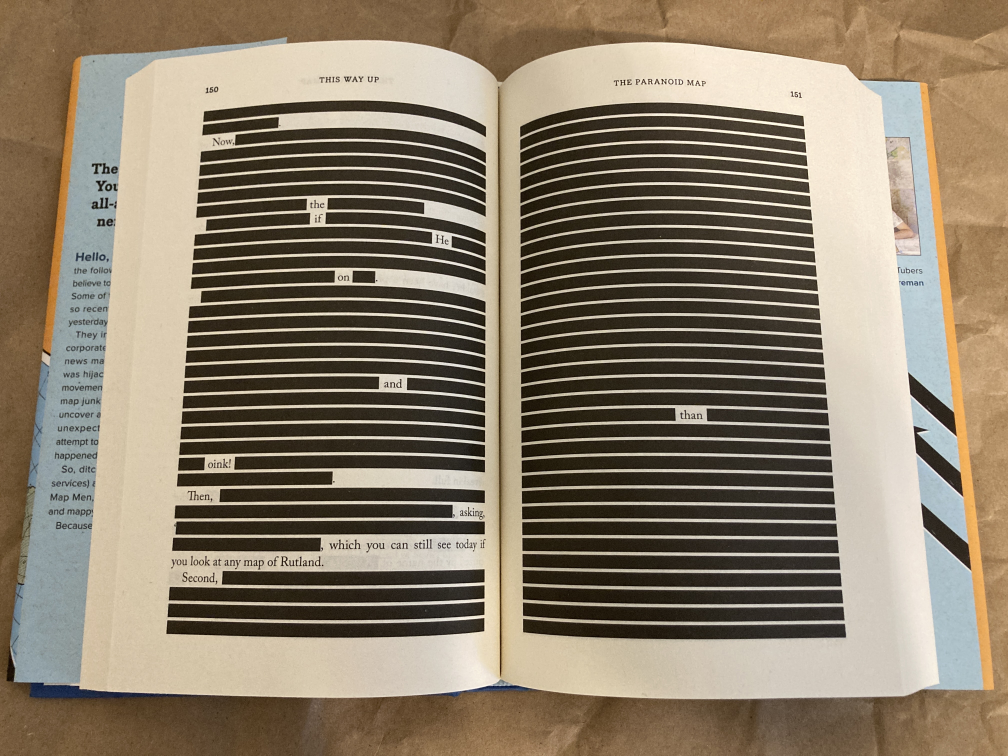
This continues with other jokes as well. The aforementioned chapter on Russian maps is written as to imply that Russian hackers have broken into the publishers database, and censored the book themselves. This is mildly amusing when it’s used on a word that is easy to suss out, or pokes fun at Russia, but it shifts to being purely annoying when there are multiple pages of entirely censored text that have to be skipped.
A paragraph of this is funny. A page is pushing it. 4 pages makes me feel like I’ve been ripped off.
Again, this is the sort of joke that might work well in a video, where having Jay and Mark say something that is clearly edited to give a favorable impression of Russia, but is just annoying in a book.
Speaking on annoying, lets talk briefly about the two chapters I skipped. One is written as a series of letters from various countries and individuals, and I found incredibly frustrating to follow as it used a lot of different fonts/tones for no real reason other then commitment to the bit. The second is a script for a true-crime podcast on the Donner party.
Another one is a song/poem, which I did read, and Jay is a very goodcomic songwriter, but I don’t want to read comic songs.
Jay, Mark, on the off chance you read this, I would like to offer a single piece of feedback.
When I read a book, I want to read a book. I do not want to read a podcast. I do not want to read a series of fake letters.
I want to read a book.
These could have been the most interesting stories in the book, and I wouldn’t know, because the format in which they were presented was obstructive to actually reading them.
The Twist
The thing is, I think the pair can tell effective stories in books, as best evidenced by chapter 14. Chapter 14 is about the Marshal Islands, Operations Crossroads, and Bikini Atoll. It’s a fascinating story, and my only critique is that I wish they had spent slightly more time on the whole thing.
I think that because of the nature of the chapter, a lot of the comic material is front-loaded, with the later half taking a much more serious tone. And frankly, I prefer that.
I won’t spoil it because 1. At least two of the people who will read this review want to read this book, and 2. I do want the book to be successful, if less for the quality of the book then so that Jay and Mark can keep making cool stuff. But it’s a better example of what I’d hoped for from the entire book, instead of portions of it.
Overall
I can only really recommend This Way Up: When Maps Go Wrong to folks who are already fans of Map Men. I felt when I was reading it that there were multiple points where I would have misinterpreted the book if I wasn’t already familiar with the duos specific tone.
The good news is they’re at least somewhat easy to be fans of, and I’d suggest checking out this video they made about map projections to see if you enjoy their style.
When Maps Go Wrong is $30, unless you borrow a friends copy, in which case it is free!
Confession time: I loathe Warhammer 40k. I always have. I’d like to tell you I have a good reason for it, but honestly, it just boils down to the fact that I don’t like grimdark as a mood, or setting. I remember in Highschool that I joked that if I wanted to read something and be depressed, I’d just read a newspaper, a joke that remains accurate to this day.
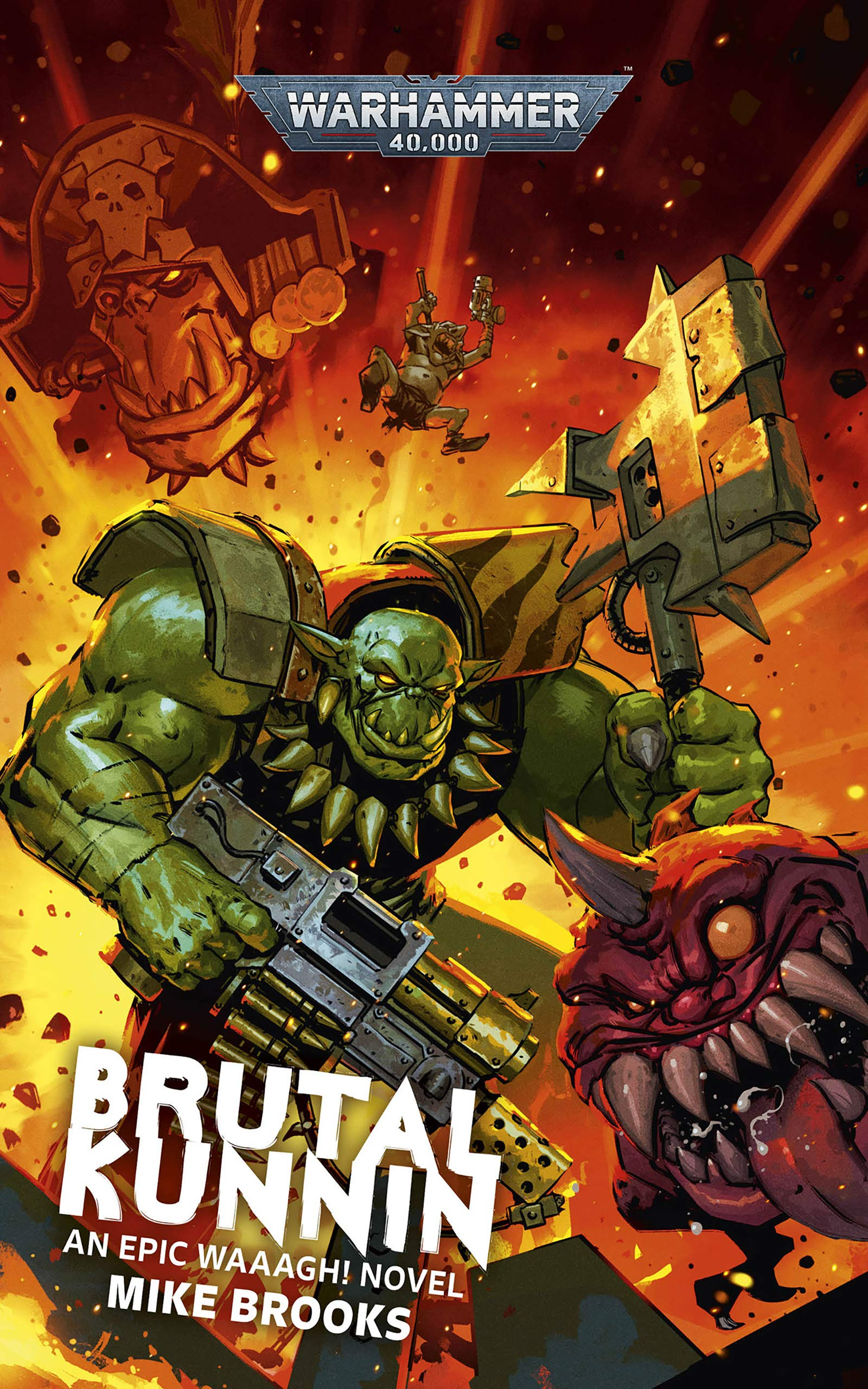
This raises an obvious question: If I loathe this setting, why on earth did I bother to read 200+ plus pages of tie-in novel? Two reasons. First, as much as I loathe 40k, I do kinda enjoy orks. And second, I wanted to run a quick sorta fact check on a video I’d watched about Orks, that seemed to quoting a lot of it’s info from Brutal Kunnin.
It was mostly this fact checking that made me spend the $10 to grab this, and spend a few hours on it. There are 3-ish points of view in the book, and sadly only one of them is an Ork. The other two are a member of the human-computer mars people, and corrupted human-computer mars people. (Adeptus Mechanicus, and Heretek Adeptus Mechanicus).
Look, this isn’t really a book you can read for the plot. In order for a lot of things to make sense, you already need to be at least mildly familiar with the setting, and the action itself is a series of fights. Instead, this is a book you read because you’re curious about how these characters think, or what they prioritize, more then anything else.
Speaking of how characters think, lets return to that “reading this for fact checking” thing I mentioned earlier. I was a bit disappointed to learn that this video I’d enjoyed just kind of ripped a lot of it’s point about “how Orks think” in 40K straight from the primary Ork point of view character. I found this kind of annoying, because there are a few specific examples that seem exclusive to this POV character, and not really exhaustive of the species. Anyway, this is my particular brand of being an annoyed pedant.
Did I enjoy this book? Mostly, in a sort of turn your brain off, and be amused by the incredibly stupidity of the people in this setting. Shockingly, the most idiotic decisions are not in fact made by the green sentient mushroom people made for battle with zero self-preservation instincts, but by the human-computer mars people.
Do I recommend it? Not really. I don’t know enough about 40k to say if it’s a good 40k book, and I don’t think it would be much fun to anyone who doesn’t at least have an interest in 40k.
Will I think about it ever again? Probably not until I’m stuck on a bus or something, and decided to re-read it out of boredom.
Possibly this has melted my brain enough that I will try to read Dungeon Crawler Carl at some point in the future.