Tag: VideoGamesWeLike

  • Bloodborne

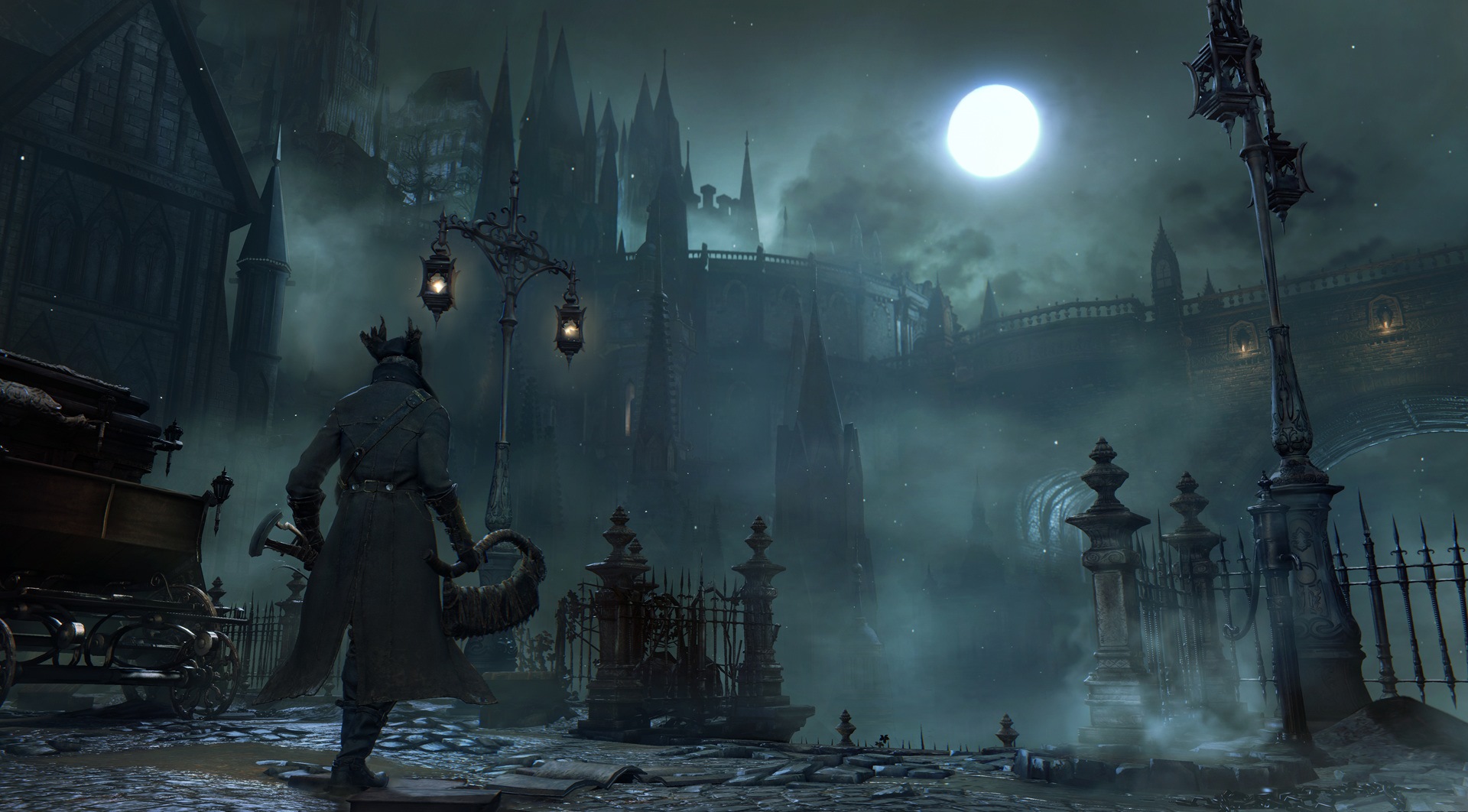
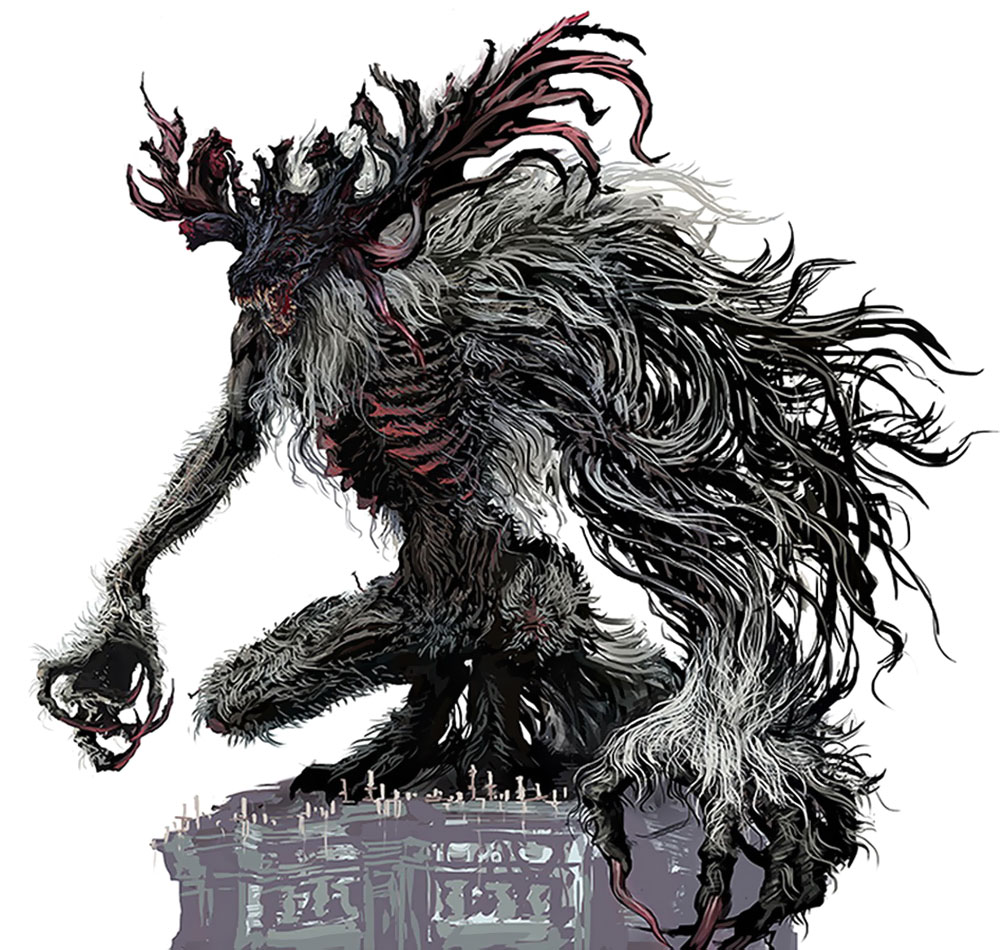
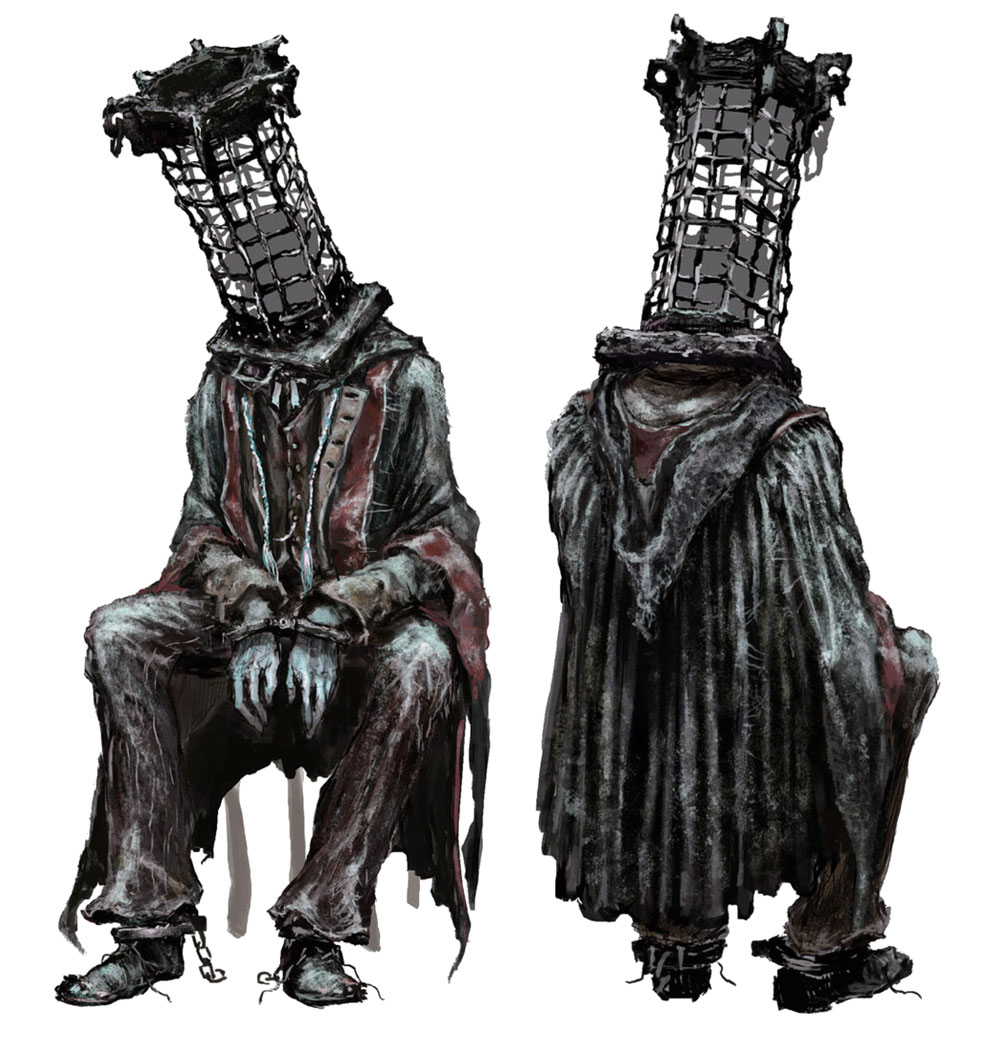
    Note: The images in this article are from the press kit for Bloodborne, and the game’s concept art. Capturing screenshots from Bloodborne is annoying, and I’m not sure that a bunch more images would do too much for this writeup.

    I like Bloodborne. I think it’s very much worth playing. With that said, writing about Bloodborne is hard because there is so much that I could write about. Almost every aspect, from the technology, to the multiplayer, to the art, to the story, to the lore, to just the design and mechanics could have more than its own article.

    This article will not be digging into any of those topics to the level they might deserve. My end goal for anything I write for Gametrodon is to convince you, the reader, that a game has something interesting about it that makes it worth playing and engaging with.

    In the case of Bloodborne, the game is 6 years old, and exclusive to the last console generation on PS4. I don’t think it really needs someone to advocate that it’s a unique experience, or a good game. The world already knows that it’s both those things. So instead, I’m going to advocate playing the game for folks who might have thought about playing it, but were put off by the game’s somewhat notorious pedigree and difficulty curve. It’s an article directed at… well… me. Me from 70 hours of Bloodborne ago.

    First, a little bit of history for those who might not be familiar with Bloodborne, or why the game has the reputation it does. Bloodborne is made by From Software. If you look them up on Wikipedia, you will see the following quote.

    FromSoftware, Inc. is a Japanese video game development company founded in November 1986 and a subsidiary of Kadokawa Corporation. The company is best known for their Armored Core and Souls series, including the related games Bloodborne, Sekiro, and the upcoming Elden Ring, known for their high levels of difficulty.

    Wikipedia

    “Known for their high levels of difficulty” is the key phrase here. FromSoftware’s Dark Souls series is responsible for naming an entire genre, the “Soulslike” game, in the same way that we get phrases like “Metroidvania.” The “You Died” screen is infamous.

    At least in my case, this reputation meant that I had almost no interest in any of their games, despite the fact that they are almost universally praised on every level. This is because I think I misinterpreted “Hard” as “Unfair.”

    It is not very difficult to make a game that is very hard to beat. Two examples I can think of would be Kaizo mods/levels for Super Mario Games, and the “I Want To Be The Guy” series. In the case of Kaizo, the difficulty often comes from requiring both near perfect inputs and an absolutely massive chain of them, all while having an almost perfect knowledge of its game. On the other hand, “I Want To Be The Guy” simply puts the player into situations where without knowledge about what is going to happen, the player simply cannot succeed, such as platforms that move when you try to jump on top of them.

    Bloodborne’s difficulty doesn’t come from anything like that. Bloodborne doesn’t rely on cheap shots or perfect mechanics to make things difficult. Instead, the difficulty comes punishing you heavily for mistakes or misplays. But almost every time I died, much like with Spelunky 2, I understood why I died. Bloodborne wants you win. It’s just not going to give it to you for free.

    Here’s an example: in an area that feels about mid-way through the game, there’s a large rolling log trap that if it hits you, will pretty much just instantly kill you. While this might seem like bullshit, there’re a few important elements about the area that make me view it as incredibly smart game design instead. The first element is that the trap is located incredibly close to one of the game’s respawn points (lanterns), and after only two enemies, making it incredibly easy to get back to your corpse after the trap kills you. The second is that when you look at the area, you’ll see that the trap is actually only triggered when you run across a large button directly in the middle of the road.

    This means that after you spot the trap, it’s very easy to avoid it, travel deeper into the marsh, and then get killed by a second trap that’s almost identical.

    So why is this first trap important? Well, because to my mind, it’s actually very generous. While deaths in Bloodborne can be punishing, this one isn’t. The purpose of the log trap near the respawn point isn’t to unfairly kill the player, it’s to introduce the concept of the trap to the player, to show the player what it looks like, what happens when they trigger it, and to warn the player that this is an element that might still be encountered farther on. In essence, it’s actually functioning as a tutorial.

    The same is true of many of the enemies. Some of the enemies that can combo you to death are first encountered in areas that are either actively detrimental to the enemy, or very near respawn points. And for almost all enemies in the game, choosing to run away and simply not fight them is an entirely valid option.

    Bloodborne is not unfair. It asks you to think, and to actively work to defeat it, but it’s rooting for you the whole time. If the pedigree and rumors have made you skip it, or some of the other games made by FromSoftware, I urge you to reconsider. Bloodborne is incredibly satisfying, and worth playing, and if you persevere, you can and will beat it.

    And the sun will rise.

    Author Note: A brief story for those that aren’t convinced. After beating Bloodborne, I found myself wondering if I’d actually gotten better at the game, or if the game’s small incremental stat buffs, weapon improvements, and other systems had made it so that I eventually made progress without improving. So I made a brand new character with the lowest stats, didn’t take any of the free weapons offered, and replayed the first portion of the game.

    A section that took me about 8 hours initially only took me 2 hours with the new character. Two bosses that initially took me over 10-15 tries each took only 3 tries each with this incredibly weak character, and I was using a garbage weapon that I found on the ground and I’d never used prior to this run.

  • MicroMacro: Crime City

    If Where’s Waldo, Richard Scarry’s Busytown, and Frank Miller’s Sin City had a threesome, the end result would be Crime City. That pretty much sums up MicroMacro. I like it.

    “But that doesn’t actually explain anything about the game.” You say. And you’re right! But it does give me a great chance to act like I’ve actually read Sin City, and seem more cultured then I am. (I haven’t.)

    So let’s have Mr. Cat explain the game for us instead. I’m sure he can help us with-

    Oh dear. I guess I’ll have to do it instead.

    Poor Mr. Cat. He’s yet another victim of Crime City, a lawless wasteland of blackmail, assassinations, and robbery.

    MicroMacro is a hidden object/character game. Much like Where’s Waldo, you’re looking for small details in a crowd of faces and scenery, and like Busytown, it takes place across a adorable town of cute animal people. Unlike Busytown however, the city has the general tone of hardened noir. It’s filled with call girls, gun stores, fetish clubs, corrupt politicians and open air farmers markets.

    This massive map makes up the titular crime city. You “play” the game by picking out case, and then going through the challenges each case offers. For example, in the case of Mr. Cat, the first step is to find the unfortunate victim. Cases are rated by how difficult they are to solve, and made up of steps. Almost all steps asks you to say “where” on the map a specific event in question occurred. The whole map has a grid system on it, so the location of an event can be referred to as A5, somewhat like battleship. (There are some exceptions to this, but I’ll cover them in gripes, because they’re related.)

    As you advance through each step in the case, you’ll get more information about the crime, the perpetrator, and the motive. Requests can involve being asked to find murder weapons, trace the route taken through the city by someone involved, and occasionally trying to locate the corpse of the unfortunate individual.

    Generally speaking, MicroMacro feels pretty fair as far as these things go. In the three cases I played through, there were no instances of adventure game logic or complete bullshit in play. There was one moment of some things being very cleverly hidden, but not unfairly.

    With that said, I do have two gripes with the game. One is fairly minor, and it’s the fact that the game has somewhat limited replayability. This isn’t super surprising. It’s like complaining that Waldo doesn’t rehide himself each time you open the book. I think this concern might be a bit alleviated by the fact that once you finish all the cases, there are actually a few small bonus cases that aren’t included. You can find a few of them here on the game’s website, and get another one by signing up for their email list.

    The bigger gripe is that the game has no good way to check your answers to a given question, without seeing the actual answer. This can be a bit frustrating, because if your group makes a guess, whoever checks the answer effectively doesn’t get to play for the rest of that request. There are also a few rare situations where the answer isn’t a battleship style grid reference, but a chain of events you’re expected to list off.

    These are minor though. I like MicroMacro. I think you could probably even play the game on your own if you really wanted too, but it would be less fun than doing it with friends gathered around a big table. If this made you curious, you can find a demo of the game here, and you can likely find the game itself at your friendly local game store.

  • Tanto Cuore

    I like Tanto Cuore and I’m not afraid to say it. Many of the mechanics feel like a upgrade over Dominion, and while it doesn’t have some of the variety of Ascension, it does avoid the randomness. If you haven’t played either of those games, that’s okay. I’ll talk more about the mechanics in a bit. But first, a brief diatribe.

    Something I thought about while preparing to write this article was the fact that I have different standards for when I feel like I can write about a game based on format. For board games, a single full play session is usually enough for me to feel like I can offer an opinion. On the flip side, I’ve recently played like 40 hours of Bloodborne, but because I haven’t beaten the game, I don’t feel like I can offer thoughts yet.

    It’s an interesting dichotomy, and it would be relevant to the rest of this article, because while I’m playing the digital edition of Tanto Cuore, the game itself is a board game. So even though I haven’t beaten all the single player levels, or even a majority of them, I’ve played several more rounds then I might have if it was a standard board game. At the same time, I would usually feel a bit weird reviewing a game with only five hours played.

    The key phrase here is “would usually.” Because 98% of the human population is going to decide that they don’t want to play Tanto Cuore after the next sentence:

    Tanto Cuore is a deckbuilder in which all of your cards are anime maids.

    Have we scared off the normies with this photo? Good.

    Cool, so yeah, now that no one else is going to read the rest of this article, let’s get going, starting with a short definition of the deckbuilder genre.

    If you haven’t played a deckbuilder before, they generally work something like this: each player starts with a simple deck of cards. On your turn, you play those cards to take actions, and generate resources to buy more cards from some form of central supply to add to your deck. Cards you buy or play go into your discard pile, and when you run out of cards to draw from your deck, you shuffle your discard pile and it becomes your deck again. Unlike a traditional collectible card game like Yu-Gi-Oh or Magic: The Gathering, with deckbuilders you create your deck each time you play the game. You start from scratch with the same deck of simple cards each time you play.

    The goal of Tanto Cuore is to have the most victory points at the end of the game, because of course it is. Now that we’ve talked about the most boring part of the game, let’s move onto the maids cards.

    Tanto Cuore has four types of cards. There are love cards, general maids, private maids, and events. Of those four, private maids and events are the simplest to explain, so we’ll start with them.

    Private maids don’t go into your deck. Instead, they go into a scoring zone. When you buy a private maid, it enters your scoring zone, and until you buy another private maid, or something else special happens, you can use its ability. They also tend to be worth victory points at the end of the game. While the abilities can appear small at first, they tend to be mechanically impactful.

    Events also don’t go into your deck. In fact, they don’t go anywhere related to you at all. When you buy an event, you play it onto another player, or one of that player’s maids in their private quarter. Events tend to either disable abilities, or be worth negative victory points.

    Of the remaining two card types, the simplest cards are Love cards. Love is the currency you use to hire maids, and love cards can be played without spending any resources. In any other game, these would be called “Gold” or “Money.” But yeah, here it’s Love.

    Which brings us to the last card type: the maids themselves. The maids are the most complex and as such covering them all in detail isn’t possible. Instead, I’m going to give a general overview of the sort of things they do and how they get used.

    There are three resources that you have on your turn. They are Love, Hires, and Servings. Love is used to pay the cost to get maids. However, in addition for each maid you get, you also need to spend a Hire. The last resource, Servings, actually has two uses. You can spend Servings to play maid cards, but you can also use them to send specific maids to your scoring zone. Doing this removes the maid from your deck, but allows it to potentially also score bonus end game victory points.

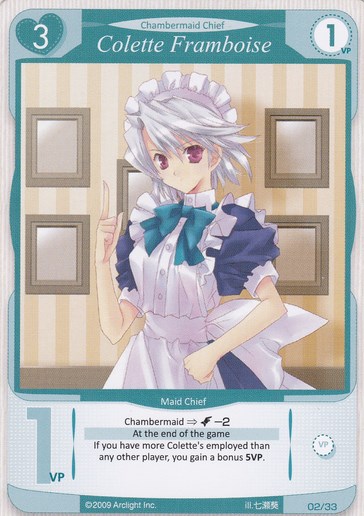
    It’s this mechanic that I think really makes Tanto Cuore stand out to me as a different from other deckbuilders in a meaningful way. Almost all deckbuilders have some form of victory point card that sits around and does nothing, or cards that are useful in the early game, but clog your engine in the late game. In Tanto Cuore, many of those cards are actually your primary method of scoring. Colette Framboise is the best example of this. You can spend two Servings to remove her from your deck, which scores you points. And since your deck starts with only 10 cards, removing her can vastly increase deck efficiency.

    So, now that we’ve finally finished talking about Tanto Cuore’s mechanics, let’s talk a bit more about the digital version of the game, since it’s probably the easiest version of the game for you to currently get your hands on (and forcefully gift to your friends in order into guilt them into playing with you).

    Overall, I think it does a fairly good job as a digital port of a physical game. While some things do feel a bit barebones, none of those are the actual game itself. There’s also an extensive singleplayer mode/tutorial with a variety of levels that seems to unlock foil versions of the cards as you clear the levels will completing various objectives. The video and audio sliders actually work really well, and the game has ultra-wide monitor support for some reason. Protip: After launching the game, go in and just… slide that slider for voices all the way off. Thank me later.

    I do have one gripe with the digital version of the game though: as far as I can tell, there’s no way to see a list of all the cards in the game. See, at the start of each game, you pick several different maids to be placed into the central buy row. The rest of the cards aren’t used for that game. But this means it’s entirely possible to start a game and see a few cards you haven’t ever seen before. It’s not a massive annoyance, but I really wish there was an in-game card browser, or like… a PDF.

    So yeah, that’s Tanto Cuore. A really cool deckbuilder about collecting maids that none of your friends will play with you, either because you had no friends before getting the game, or you won’t have any after trying to get them to play it. Remember kids, Settlers of Catan and every other Euro-game that promotes colonialism and hyper capitalism is a-ok, but god forbid you have skimpily dressed anime women. That’s simply a bridge too far.

    Tanto Cuore is $10 on Steam, $42 on Amazon on the physical copy, and apparently like $1800 for the Japanese edition? Yeah, I don’t know either. It’s good though, and worth playing (although probably not for $1800).

  • Kyle’s Good Stuff Gamepass List

    Ah, Gamepass. If you haven’t heard of it, Gamepass is Microsoft’s “Netflix for games” service. After some jackass gave me shit for pre-ordering Back 4 Blood, saying that it would come out on Gamepass, and I could play the whole thing for like $10 instead of $80, I decided to see if there was anything else on the service I’d care about. And there is! In fact, my opinion is if you play more than 3 AAA games per year, it probably makes sense to subscribe Gamepass for a few months of the year.

    So anyway, that’s what today’s thing is. A list of the good games on Gamepass that I’ve been playing recently, what each game is, what I think of it, and why you should play it. Some of these you’ve probably heard of, and some you probably haven’t. But anyway, let’s get into the list.

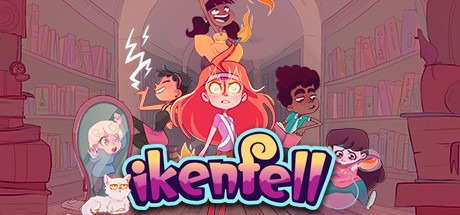
    Ikenfell is a turn-based tactical RPG with quick time event-style minigames for attacking and blocking. (Think the Super Mario RPG sorta stuff.) Plotwise, the hook is that you go to a magic forest that has a wizard school in it to try to find your missing sister who was attending said wizard school.

    Storywise, I thought it was amazing. The music was almost all really good. There was one boss battle where the music sort of took me out of the moment, but that was it.

    With that said, the game is a little grindy. Unless you like the grind, I suggest turning on the game’s accessibility options or cheat mode to farm EXP, and then turning them back off for the boss fights, where the combat is the most interesting. The puzzles are also pretty good.

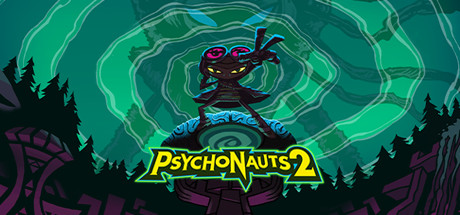
    I love Psychonauts 2. It’s the best platformer of the year in my opinion. Psychonauts 2 is a puzzle platformer that requires a lot of outside the box thinking and trickery.

    While it frontloads a lot of mechanics, I got used to them pretty quickly. The side quests feel amazing even when they’re just fetch quests. The Art style was mildly off-putting, but I got used to it after a bit. The story is also really good, and better then the first game in my opinion. While a lot of the gameplay returns from the first game, there are a few new abilities, including a time stop. There are also lots of new minigames. Finally, the pacing of new enemies is much better than its predecessor: there’s a new enemy each area, and a fairly good variety of foes.

    If you do decide to pick up Psychonauts 2, I highly suggest you get the “Deal Double Damage, Take Double Damage” ability as soon as you can, because without it enemies can feel a bit tanky. Like trying to break a brick with a pool noodle.

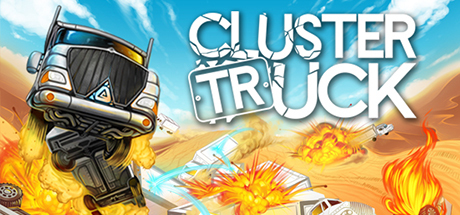
    Clustertruck is a fast paced 3d platformer. Unlike what the splash image might imply, you do not spend it smashing trucks into each other. Instead, you play a high-speed highway version of the floor is lava, except the only part of the floor you can stand on is trucks being launched at incredible speeds.

    While I think Clustertruck has the best movement of anything in this list, I really don’t like how the abilities you use get unlocked. You have a trick meter that you fill by doing tricks and stuff. Except by the time I got to the final level, I had unlocked maybe half.

    On that subject, I did not like the final level. It breaks a bunch of the conventions that the rest of the game set up, and not in a fun way.

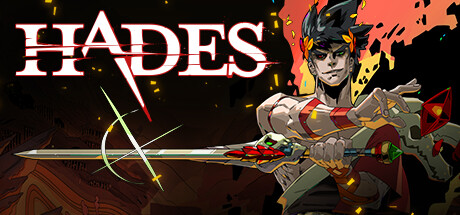
    Ed Note: We already have a full writeup on Hades that you can read here. As I don’t feel like retyping out 90% of that review, I’m just going to put two or three choice quotes from that article below, and call it good enough. Frankly, I think all the game of the year awards from…. everyone really do a good enough job.

    “I have no criticisms.”

    “The only roguelite that has ever made me want to keep playing just because of the strength of the story.”

    “The characters and their relationships offer unique takes on the characters that you may already be familiar with, but will still be presented in a new light.”

    So yeah, everyone loves it, and everyone but me has played it.

    Sunset Overdrive is a action adventure game, with both third person shooter elements, and little bit of Tony Hawk movement. Its tone feels a bit like Borderlands.

    This game came out in 2014, and it does sorta show. Character creation was limited, and all the characters look ugly IMO. But that’s the aesthetic. Graphics quality is fine for its time. The guns feel good, there’s a huge map to explore, and the characters are memorable and odd. There was one annoying child I wanted to run over a with bus, but after a bit, I didn’t want to run him over as much. So. Character development.

    I do have two problems with it, but I have only played 5 hours so far, so perhaps these get alleviated? Anyway, here they are.

    1. It can be hard to find where resources you need for an upgrade are. There’s no radar or anything.
    2. I really don’t like the holdout missions where you have to protect some payload from zombies. In every other game with this sort of mission, you want to hold a position and mow them down. Since Sunset Overdrive instead wants to constantly be moving around to keep up your combo meter, the end result is the two systems clashing, and these missions feeling kind of junky to play.

    So yeah, if any of these strike your fancy, you may want to check out Gamepass for PC.

    Note: These were all played through Gamepass for PC. The editor to too lazy to check if they’re on all Gamepass for Xbox, because he doesn’t own one.

  • Pokémon Super Mystery Dungeon

    Ed Note: the full name for any of the games in the Pokémon Mystery Dungeon series tends to be Pokémon Mystery Dungeon : <Title of the Rest of the Game>. Because these titles end up being 7 words long, I’ve shortened them down to just <Title of the Rest of the Game> for this writeup.

    I really like the Pokémon Mystery Dungeon series. This shouldn’t be confused with the Mystery Dungeon Mainline series, or any of the spinoffs. In fact, I recently tried to play one of the mainline series, which led me back to playing Pokémon Super Mystery Dungeon instead, because Shiren the Wanderer: The Tower of Fortune and the Dice of Fate kicked my ass.

    So what exactly makes up the Mystery Dungeon series, why do I like the spinoff Pok é mon games better, and am I filthy casual for jumping off the mainline series?

    First off, let’s briefly talk about the Mystery Dungeon Series as a whole. It’s the name for a whole bunch of games published by Chunsoft. And because I’ve only played one game in the series that isn’t a spinoff, I’m gonna just link the Wikipedia article here. Generally speaking, though, it’s one of the few games that can be described as roguelike without annoying that magical group of people who are overly twitchy about the roguelike label being misapplied. That is to say, it’s a turn-based dungeon crawler on a grid.

    So, second question. Why do I like the Pokémon spinoff games better? While this article is specifically talking about Pokémon Super Mystery Dungeon, I’ve played and really enjoyed Blue Rescue Team and Explorers of Time. Gates to Infinity was mediocre. But it didn’t turn me off the series enough to avoid Super Mystery Dungeon when it came out. To answer why I like the spinoff games better than the mainline ones, I’m going to compare the games to what I’ve seen so far of Shiren, and list the things the Pokémon games do differently. Here’re a few of the reasons:

    Wiping in a dungeon in the spinoff games doesn’t reset your level. While you do lose all your items and money, you don’t go back to level 1. This means that you can grind your way through bullshit, and a wipe doesn’t feel like a complete loss of progress.

    Speaking of which, escape scrolls/escape orbs (items that let you escape the dungeon with all of your stuff if everything looks like it’s about to go to shit) actually drop in the Pokemon games, while they apparently only show up if you get rescued in a dungeon in the mainline series.

    Oh, and revival seeds exist, so that when an enemy you haven’t seen before TPK’s your squad, you can actually keep playing, instead of just getting dunked on.

    The fact that the game has Pokémon as the characters is a benefit, but perhaps even more importantly for me, as the games go on, you get the ability to play as almost any of them, which gives a massive pool of playable characters.

    Outside of all these mechanics though, one thing I’ve always liked about Pokémon in general is the sense of exploration. There’s always been something neat and magical for me about the idea of venturing around somewhere and discovering something fantastic. And while I don’t get that feeling from the current mainline Pokémon games, it’s still present in the Mystery Dungeon spinoffs.

    So now that we know why I like the Pokémon spinoffs the best, let’s talk about why I like Super Mystery Dungeon the most of the spinoffs.

    While the general gameplay is the same, there are a few big changes to how teambuilding works for the post game. For starters, you recruit new team members by completing missions and adding them to your connection sphere. This is nice compared to the older games which instead required you to defeat an enemy, and then win a hidden role to recruit them. In addition to that, you then had to either complete or escape the dungeon with said team member.

    Next up, treasure! Super Mystery Dungeon has treasure chests, like the games before it, but also has gold bars, a secondary currency that you keep regardless of whether you wipe or not in a dungeon. They’re just fun to get, and unlike other items, they don’t actually show up on the mini-map. Instead, they show as little sparkles that you have to walk over, and when you do, you’ll get gold bars or another useful item.

    If I have a complaint about Super Mystery Dungeon, it would be that prior to the postgame, the game felt a bit slow. To be fair, I was playing it about 3 years ago. But I remember being frustrated by how slowly I learned new moves and leveled up.

    So that’s the Mystery Dungeon set of games. If the idea of a cool little Pokemon dungeon crawler with a massive amount of content and postgame appeals to you, break out that 3DS, grab yourself a copy off eBay, and dive in.